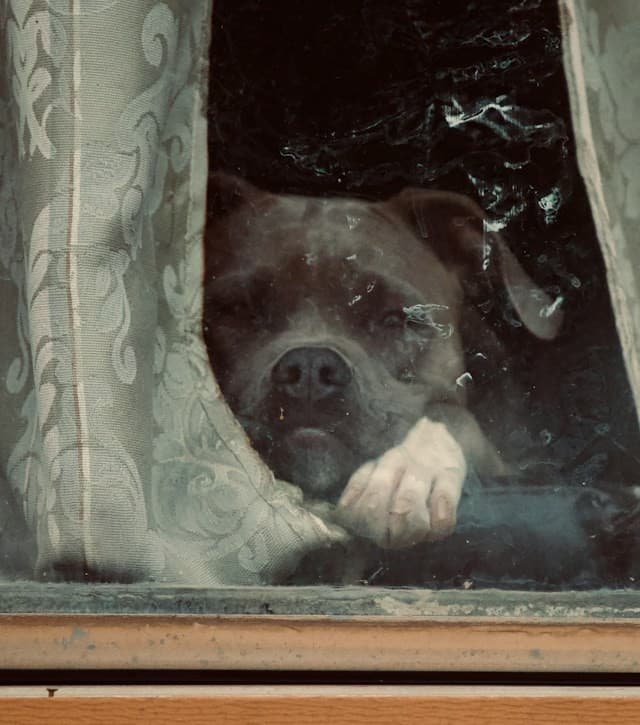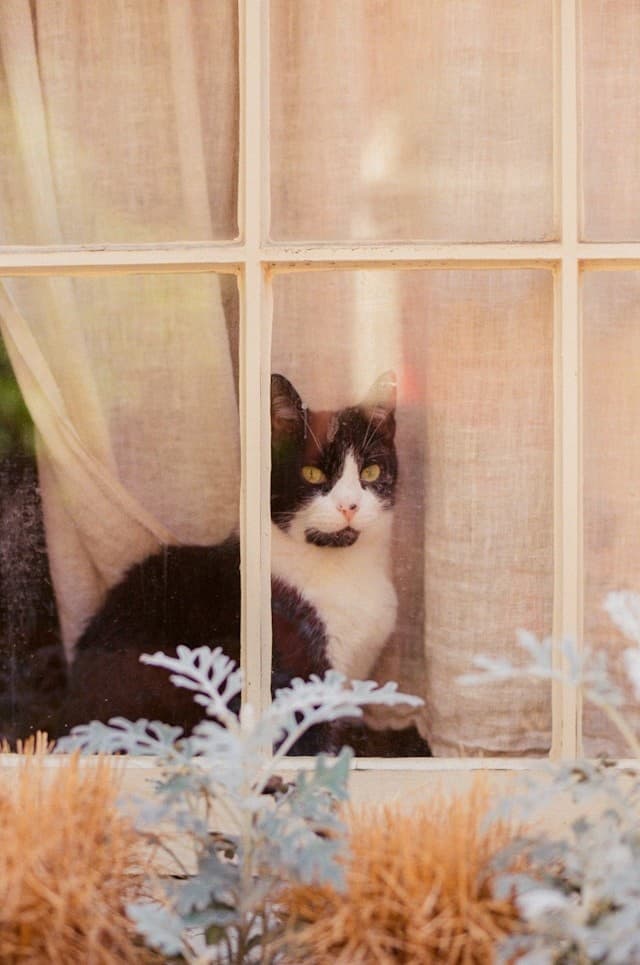

The new rental rules in England have caused plenty of confusion about pets. One of the biggest misconceptions is that landlords now have to accept them.
They don’t.
The rules give tenants stronger rights to request a pet and mean a landlord cannot refuse that request without a fair reason. But this is not a blanket “yes to pets” policy.
So, what happens if your landlord says no?
- Make sure your pet request is in writing
If you want to keep a pet, you should make the request to your landlord in writing and include a description of the animal.
Don’t simply ask:
“Can I have a dog?”
Give the landlord useful information. For example:
- Type, breed, age and size of pet
- Whether they are house-trained
- How long you have owned them
- Previous landlord or pet references
- Details of their behaviour and routine
- A Pet CV
- If you are looking to adopt a cat or dog, have you grown up with pets and have experience? What kind of pet are you looking to adopt, size, breed, weight.
The aim is simple: give the landlord fewer reasons to worry.
- Your landlord has 28 days to respond
Once you’ve made the request, your landlord normally has 28 days to respond in writing.
They can ask for further information about your pet.
If they do, once you provide it, the landlord has either the remainder of the original 28 days or an additional seven days to make their final decision, whichever is later.
Importantly, if your landlord refuses the request, they should explain why.
- What is a reasonable reason to refuse a pet?
This is where things get interesting.
Government guidance gives examples where refusing a pet may be reasonable, including:
- The property is too small for the animal or number of pets.
- Someone living at the property has an allergy.
- The animal is illegal to own.
- The landlord is a leaseholder and the freeholder does not permit pets.
That last point is particularly important for people renting flats.
Check the head lease
A landlord might personally be perfectly happy for you to have a dog or cat but still be unable to give permission.
Many apartment buildings have a head lease or superior lease containing restrictions on pets.
If the freeholder doesn’t allow pets, this can provide the landlord with a reasonable basis for refusing your request.
This is why at Say Yes To Pets we continually make the point:
There is no blanket “yes to pets” rule.
The new legislation does not simply sweep away restrictions elsewhere in the building’s lease arrangements.
- What might be an unreasonable refusal?
Government guidance also gives examples of reasons that would usually be unreasonable.
These include a landlord simply not liking pets, having had problems with a previous tenant’s pet, being generally worried that an animal might cause damage or believing a pet could make the property harder to rent in the future.
In other words:
“I don’t want pets in my property” isn’t necessarily enough anymore.
There needs to be a fair reason for refusing the particular request.
- Ask the landlord to reconsider
If you think you’ve been unreasonably refused, don’t immediately turn it into a battle.
Ask the landlord or letting agent for the precise reason for the refusal in writing.
Then address it.
For example, if the concern is potential damage, provide references from a previous landlord and evidence showing that your pet has lived successfully in rented accommodation before.
A good Pet CV can also help answer concerns about behaviour, training and suitability for the property.
- Can you challenge your landlord’s decision?
Yes.
If you believe your landlord has unreasonably refused your pet request – or hasn’t responded within the required period – you should first complain to your landlord or letting agent and ask for the decision to be reconsidered.
Keep everything in writing and provide evidence supporting your case, such as a Pet CV, previous landlord reference or information addressing the landlord’s specific concerns.
What about the new Landlord Ombudsman?
The Renters’ Rights Act also introduces a new Private Rented Sector Landlord Ombudsman.
It is designed to give private tenants a free and independent way of resolving disputes with landlords without immediately having to go to court.
Importantly for pet owners, the Government has specifically said that tenants who believe a pet request has been unreasonably refused will be able to escalate their complaint to the Ombudsman once the service is operational.
However, the Ombudsman is being introduced in stages.
Phase 2 of the rental reforms begins from late 2026, initially alongside the rollout of the new Private Rented Sector Database. The Government’s current implementation roadmap expects mandatory landlord membership of the Ombudsman scheme in 2028.
Until the Ombudsman route is fully available, tenants should raise the issue formally with their landlord or letting agent. Court action may also be available where necessary.
The key is evidence.
If a landlord has a genuine reason, for example, a head lease that prohibits pets, the refusal may be reasonable.
But if the answer is simply “I don’t allow pets”, without a reasonable justification, that is exactly the type of decision the new rules are intended to address.
Don’t move a pet in without permission
This is important.
The new rules don’t mean you can simply move a pet into the property and sort out permission afterwards.
Keeping a pet without the required consent could mean you are breaching the terms of your tenancy.
Make the request properly and keep everything in writing.
The Say Yes To Pets view
The new rules are a positive step, but they don’t give every tenant an automatic right to keep a pet.
They create a process.
Ask. Provide information. Get a decision. Understand the reason. Challenge it if necessary.
And before taking a property in an apartment building, always ask whether there are any restrictions on pets in the head lease.
Finding that out before you move in can save a lot of heartache later.
Need help making your case?
A strong pet request is about more than simply asking permission.
Create your free Pet CV with Say Yes To Pets and give your landlord clear information about your pet from the start.
If your landlord has already said no, make sure you understand why before deciding what to do next.
This article relates to private renting in England and is general information rather than legal advice.
About the Author – Russell Hunt
Pets Lets Expert Insight
This article was written by Russell Hunt, co-founder of Pets Lets, a specialist service helping tenants secure pet-friendly property to rent in London and across the UK.
With more than 30 years of experience in the London property market, Russell works with tenants, landlords and estate agents to make renting with pets possible in practice, not just in theory. His work focuses on helping pet owners present strong applications, prepare properly for competitive markets, and navigate landlord concerns around pets.
Through Pets Lets, Russell supports UK tenants with pets as well as educates landlords with UK properties on the benefits of dog friendly rentals and cat friendly rentals in London and across the UK.
Russell also runs the community “Relocating to the UK with Pets”, helping thousands of members understand the realities of travelling to the UK with pets.
Learn more about pet-friendly renting advice and services at Pets Lets
Get new advice by email
Join the list for practical updates on renting with pets.