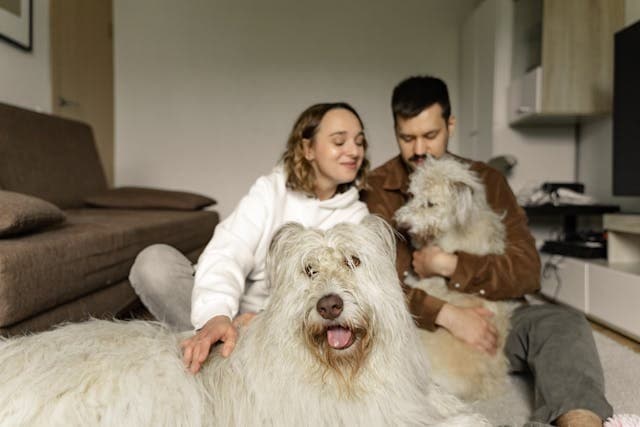

Let’s be honest. This isn’t a ‘trend’, pets are here to stay. They are part of the family and research has proven they are good for people’s mental health. You would not move home without your ‘furry friends’.
Pets are now part of everyday life in the UK. Around 50% of households own a pet.
For many, they’re not animals, they are their ‘children’ who you would not leave behind or give up for adoption.
So the question for landlords isn’t: “Do I want tenants with pets?” It’s more “Can I really afford to ignore half the market?”
The Law Has Shifted and So Has the Expectation With the Renters’ Rights Act (add link) coming in, the landscape is changing.
Tenants can now request pets and landlords must:
– Consider the request properly to rent with a dog or cat
– Provide a reasonable justification if refusing. The actual wording is a landlord cannot ‘unreasonably refuse’ pets.
This is not a blanket “no pets” but it has to be a good excuse, otherwise the tenant can go to a newly set up property ombudsman and challenge the decision.
This Isn’t About Forcing Landlords. It’s About Reality
From professional experience with Pets Lets and 30 + year in UK property, even as an estate agent, I have seen it all!
Landlords are very ‘set’ in their ways. Yes a few pets can cause damage, but this is more to do with irresponsible pet owners. The majority of people renting with pets appreciate where they live, want to stay a long time and look after it.
As a landlord myself, I practice what I preach; pets are allowed unless the head lease says no. I would prefer pets to sharers, who I have seen ‘trash’ places.
Landlords, you’re not being forced to accept every pet. Look at in on a case by case basis.
– 1 house cat or a small dog. Especially if they are older. They sleep most of the time.
– Even more than 1 pet. If the property is big enough, why not? I see it all the time, pet owners looking after the place or preferring to bring their own furniture, so any damage is not an issue. They care.
The Big Misconception: It’s All Risk
This is where most landlords get stuck. They have had bad experiences many years ago or have heard of pets behaving badly.
You know what. Tenants can be a lottery with or without pets. Apart from financial references, how do you really know what a tenant does in their daily lives?
Some have parties, busy social lives, are untidy and mark the carpets and furniture. Most of which are likely to be tenants without pets.
Because it is so hard to find rentals for dogs or cats in London and across the UK, pet owners appreciate it that bit more. They treat it as their home not just a rental.
The usual concerns:
– Damage : 10% offset against tax anyway. A pet does not mean additional wear and ear
– Noise: tenants are noisy, loud stamping from kids, wooden floors not sound proofed properly. They are tenants most likely without pets.
– Complaints: There is always a reason to complain with or without pets. Human nature
Many tenants with pets are exceptionally responsible. Why? Because they know they’re under constant scrutiny and the benefits:
– Stay longer
– Take care of the property
– Work harder to maintain good relationships with landlords and neighbours
We’ve had countless cases where:
-The pet wasn’t the issue.
-The tenant quality was what mattered. Landlord liked their profile. Guess what they had pet(s).
Case-by-Case Is the Way Forward
This is where things are heading.
Not “yes to all pets.” / Not “no to all pets.”
As a fellow landlord and specialist Pets & Property Broker evaluate the following;
– The tenant profile. Personal and professional. Ask the agent/ tenant questions.
– The pet(s). A Pet CV including training qualifications, characters of pets, work from home, weight, height. A great source of information and an image of the pet(s)
– The property. Can it work for the tenants and the pets. Is it close to a park or common, so the dog can get exercise and sleep when back home.
Because a well-prepared tenant with a calm, older dog is very different from a vague application with no information at all.
The Commercial Reality
If you continue with a strict “no pets” stance:
– You reduce your applicant pool
– You increase void risk even if it is a competitive market
– You miss out on highly motivated tenants who will stay longer
Meanwhile, landlords who adapt:
– Let faster
– Attract better-prepared, appreciative and more responsible pet owning tenants
– Stay competitive
This isn’t theory. I see it all the time.
What “Unreasonable Refusal” Might Look Like
This is where landlords need to be careful. Saying no is still possible. But it needs to be backed by something real, such as:
– Building restrictions (head lease)
– Unsuitable property size or layout
– Legitimate neighbour concerns
What won’t hold up as easily anymore? “I just don’t like pets.” “I’ve always said no.”
Pets Lets Expert Insight
From working this market daily:
The landlords getting the best outcomes aren’t the strictest. They are the ones who:
– Ask the right questions
– Assess properly
– Stay open minded
And importantly:
They judge the tenant not just the pet.
This is where many landlords hesitate. And fair enough it’s your property. But the key is structure, not avoidance.
– Clear pet clauses in the tenancy agreement
– Proper tenant vetting
– Setting expectations upfront
Get that right and the risk becomes manageable.
Final Thought
Pets aren’t going anywhere. The law is changing. And tenant expectations have already moved. So this isn’t really about whether landlords like pets. It’s about whether ignoring them still makes sense.
CTA
If you’re unsure how to approach tenants with pets under the new rules, Pets Lets can help you assess applications properly and put the right structure in place from day one.
About the Author – Russell Hunt
Pets Lets Expert Insight
This article was written by Russell Hunt, co-founder of Pets Lets, a specialist service helping tenants secure pet-friendly property to rent in London and across the UK.
With more than 30 years of experience in the London property market, Russell works with tenants, landlords and estate agents to make renting with pets possible in practice, not just in theory. His work focuses on helping pet owners present strong applications, prepare properly for competitive markets, and navigate landlord concerns around pets.
Through Pets Lets, Russell supports UK tenants with pets as well as educates landlords with UK properties on the benefits of dog friendly rentals and cat friendly rentals in London and across the UK.
Russell also runs the community “Relocating to the UK with Pets”, helping thousands of members understand the realities of travelling to the UK with pets.
Learn more about pet-friendly renting advice and services at Pets Lets
For further guidance on renting with pets, visit Dogs Trust’s Lets with Pets
Get new advice by email
Join the list for practical updates on renting with pets.